
Where Art Becomes Connection.
A guided parent-child art session designed to help you slow down, notice each other, and simply be together.
Quality Time Shouldn’t Feel So Hard.
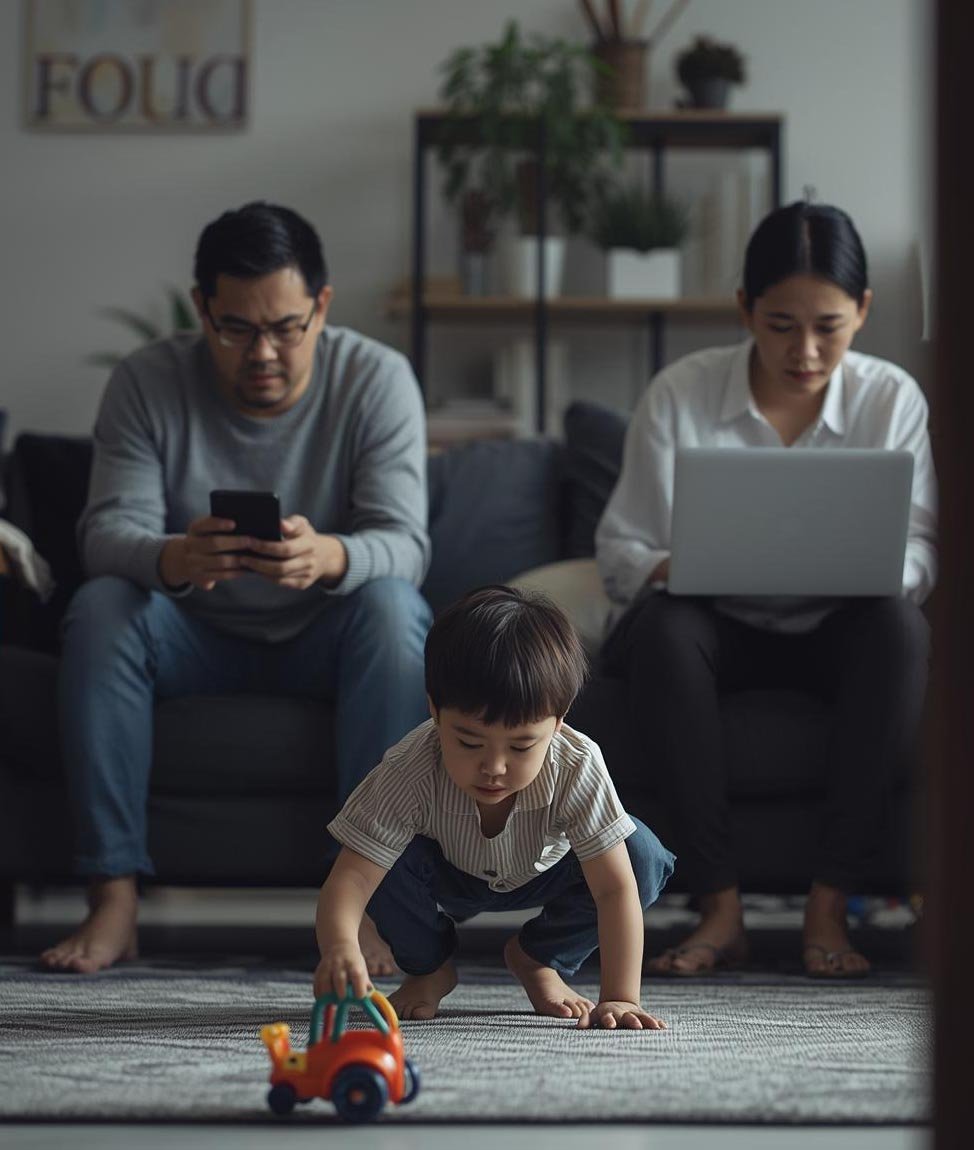
Moments become management.
Moments meant for bonding turn into corrections, reminders, and small frustrations.
Feelings feel confusing.
Restlessness, clinginess, or silence may be your child’s way of asking for closeness.
You feel not enough.
Parents juggle screens, routines, and expectations – yet still feel they’re not doing enough.
Connection feels distant.
Slowing down together feels like another task to manage.
A Different Way To Be Together
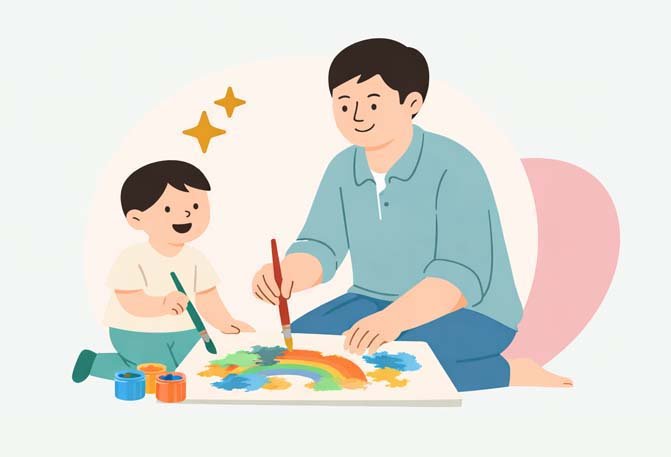
Shared Creation
You and your child work on one piece, side by side. There is no separate outcome. No competition. Just one shared canvas. A structured joint art activity where parent and child work on a single piece together. Materials are intentionally shared to encourage turn-taking, collaboration, and presence, rather than individual outcomes.
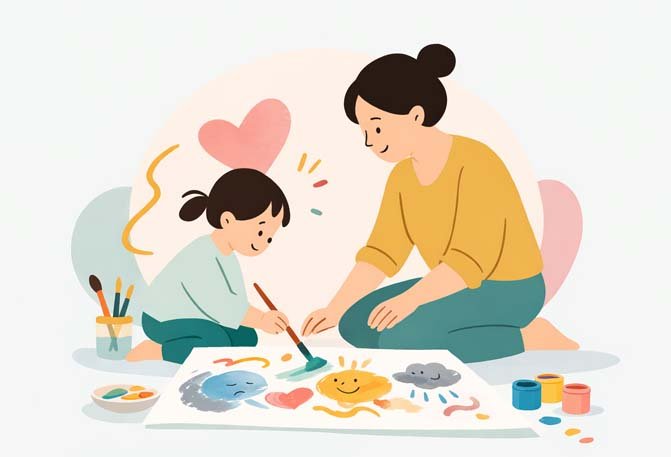
Emotional Learning
Feelings show up in colour, in pauses, in small reactions. Instead of correcting them, they are noticed. Art prompts are designed to surface emotions naturally through choice, pace, and interaction. When parents create alongside their child, emotions are not just expressed but acknowledged in the moment, helping children feel seen, supported, and emotionally safe.
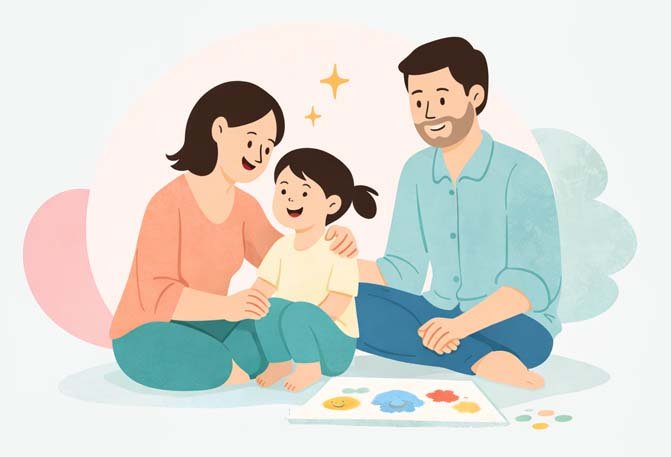
Guided Support
A calm facilitator who holds the space, gently observes dynamics, and supports moments of overwhelm or disconnection. The focus is on emotional safety and interaction, not on correcting behaviour or producing a “good” artwork.
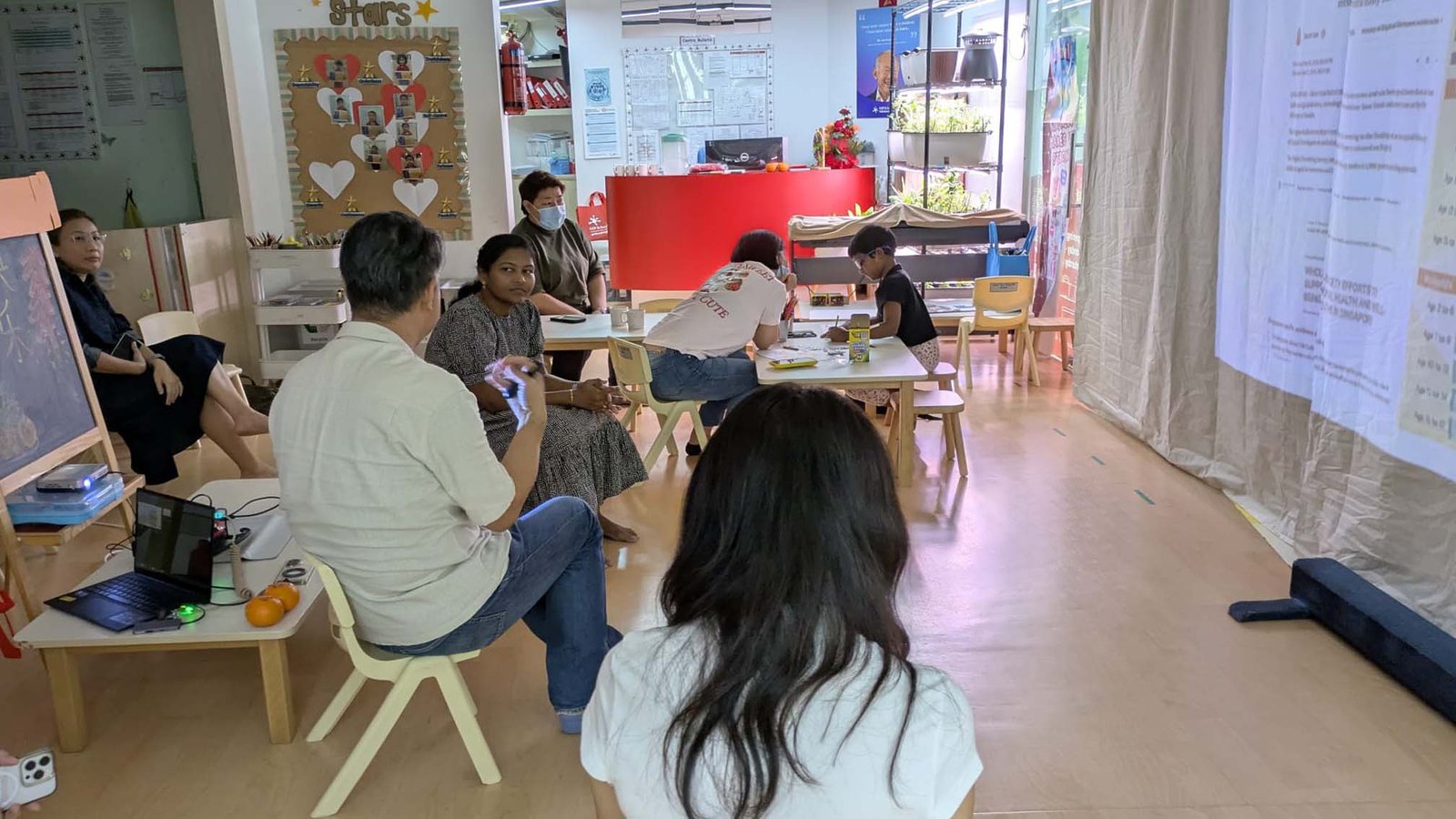
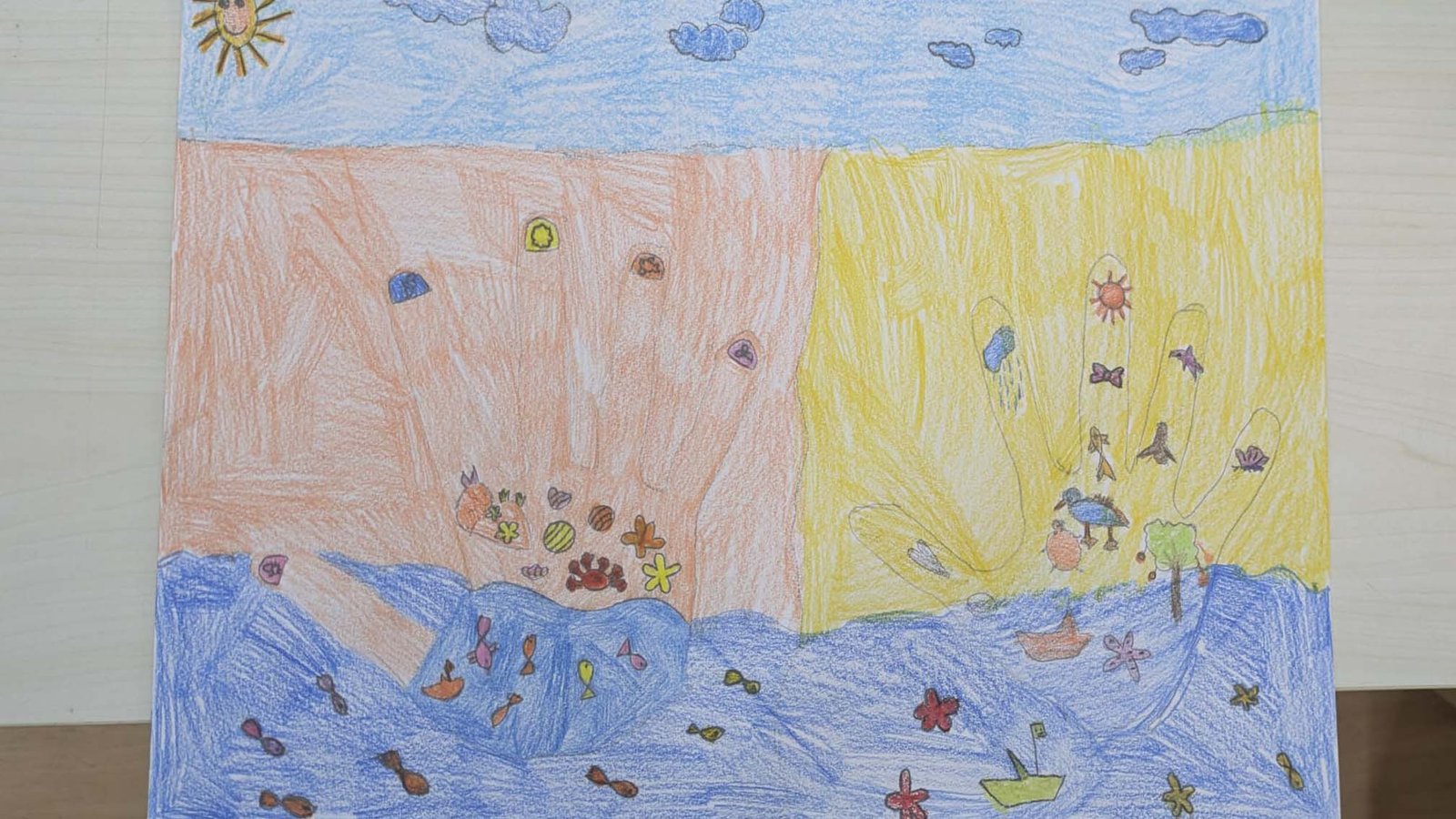
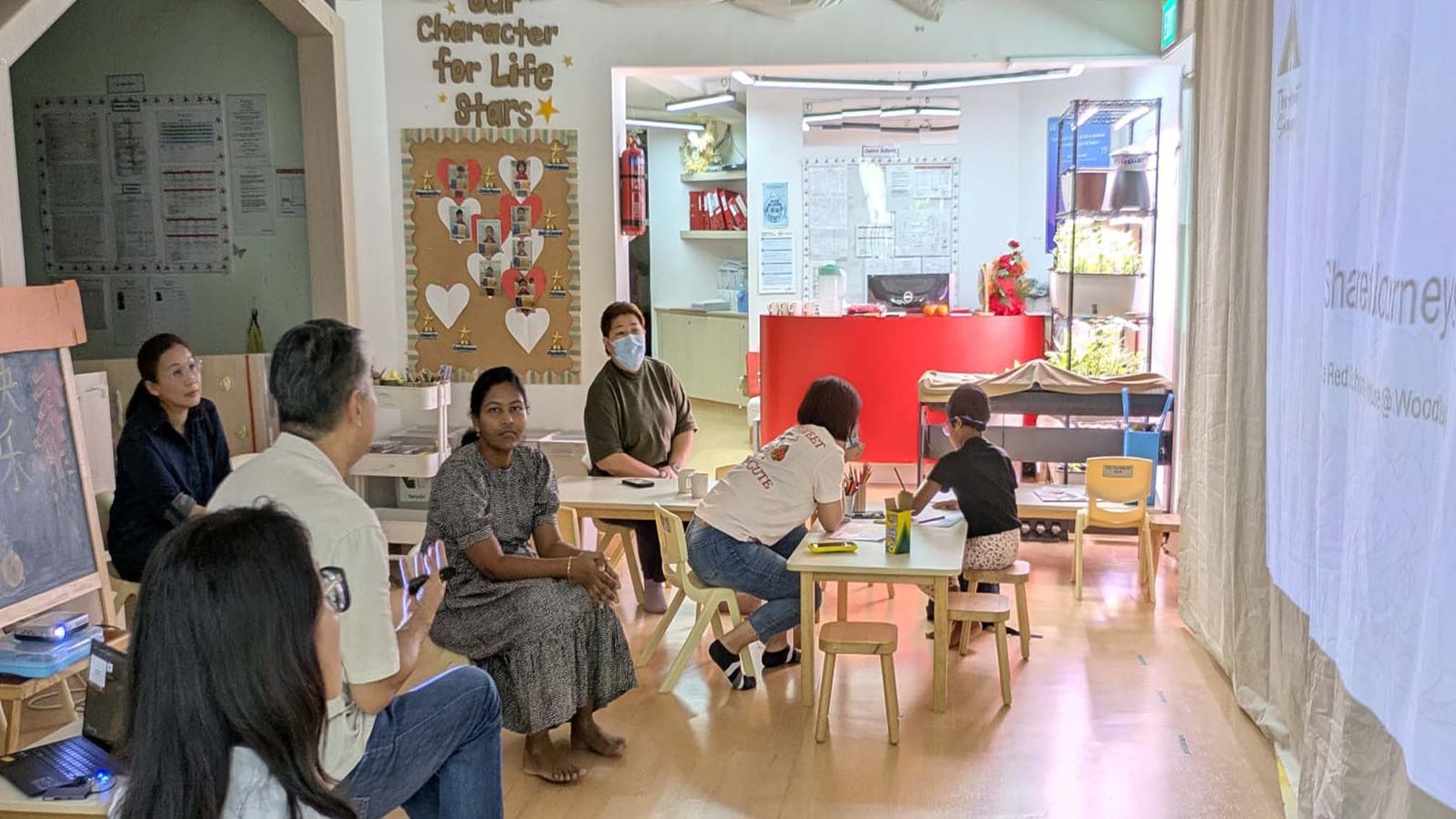
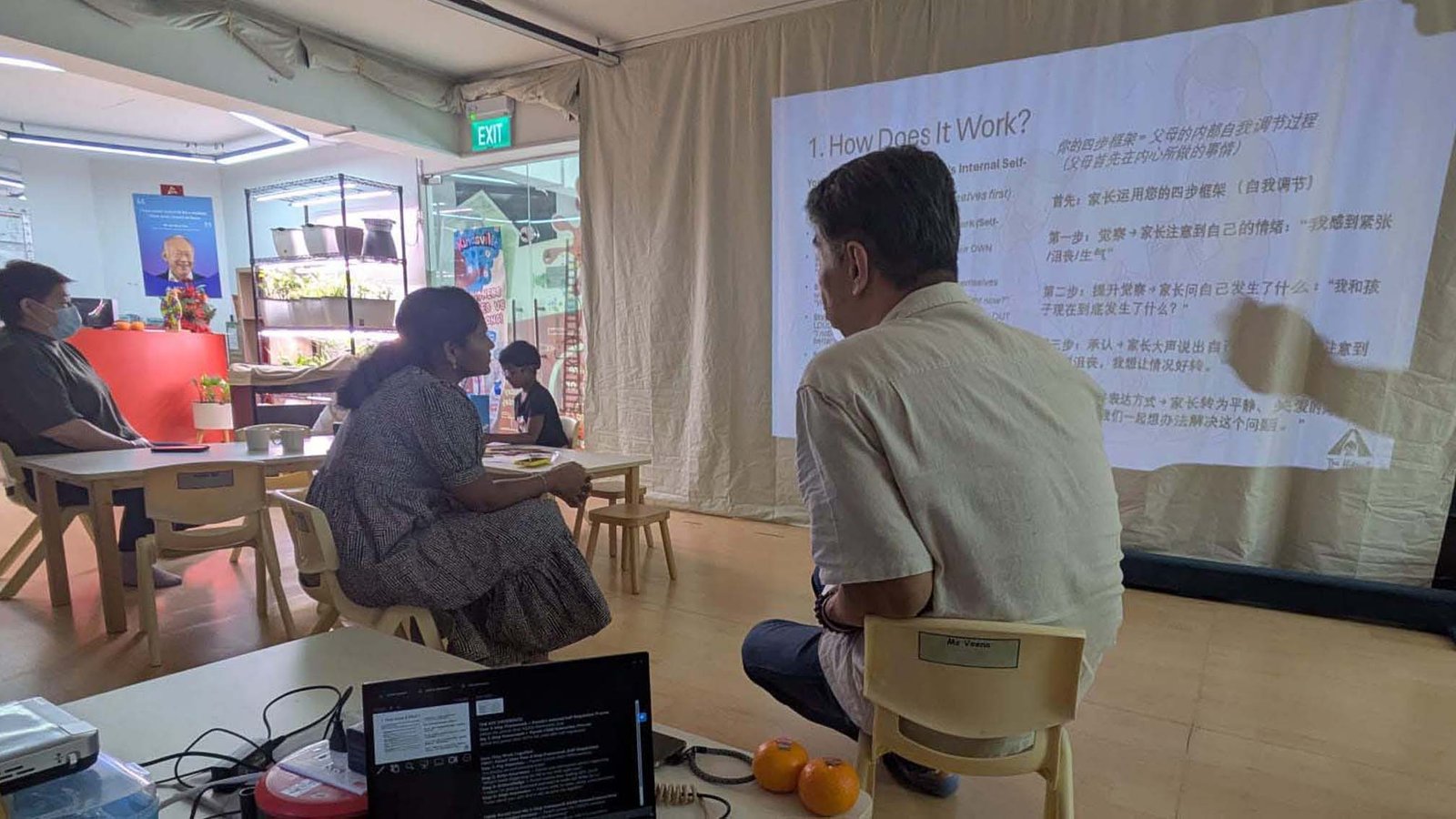
One Canvas. Two Hands.
Gentle warm-up to settle in
Eases the transition from busy routines into shared time, helping both parent and child slow down and arrive emotionally, not just physically.
Parent and child share one canvas and materials
Reduces control and correction by removing separate “right ways” of working. Encourages turn-taking, awareness of each other, and shared focus rather than parallel distraction.
Create together without separating space
Addresses emotional distance by keeping parent and child in the same physical and emotional space, turning presence into participation.
Facilitator prompts to encourage noticing and cooperation
Shifts moments of tension away from discipline and towards curiosity, helping parents respond to behaviour as communication rather than something to fix.
Simple reflection to bring the learning home
Helps parents recognise emotional cues and small wins, reducing guilt and giving language for connection beyond the session.
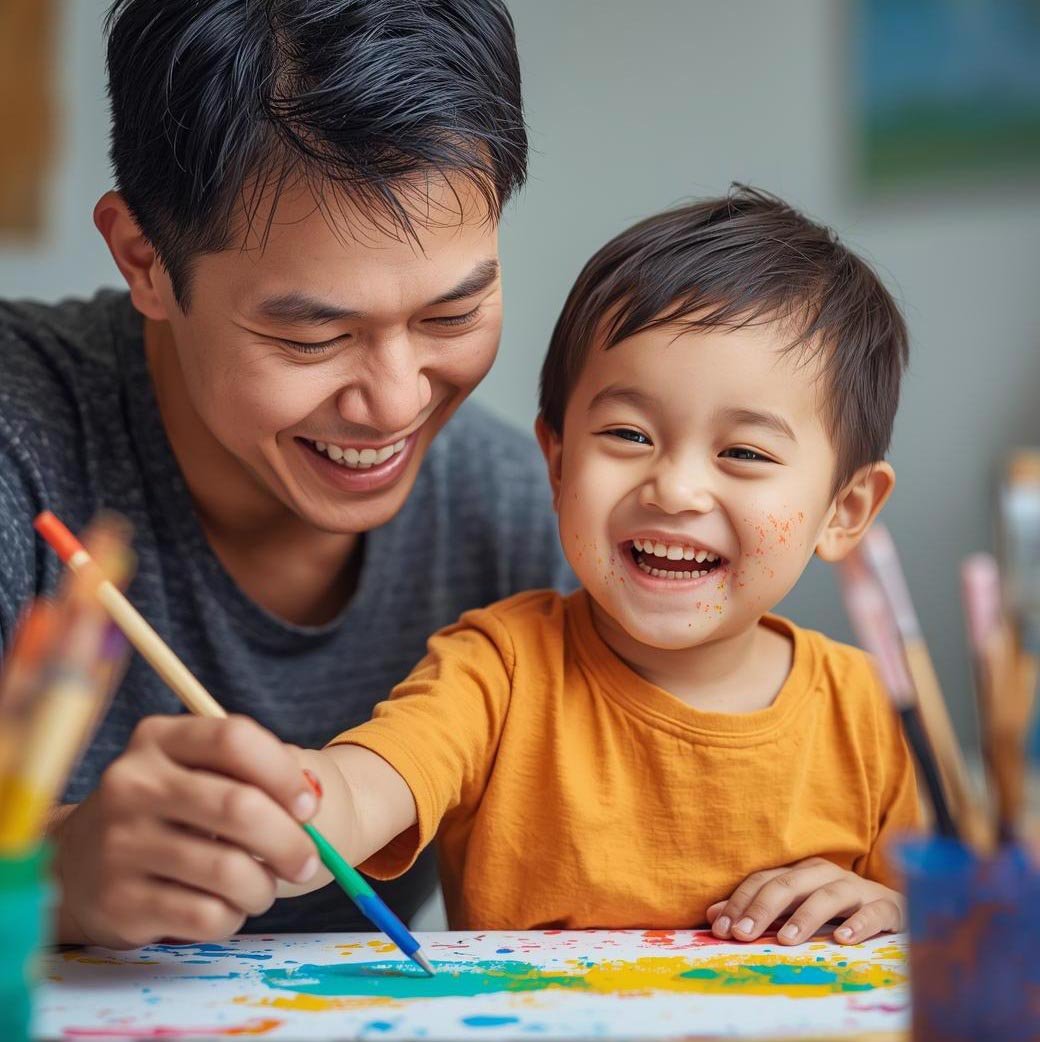
Gently Guided. Thoughtfully Designed.
Sessions are facilitated by practitioners experienced in child development and parent–child relational work. The space is calm and intentionally small, so each interaction can be observed and supported with care.
There are no “good” or “bad” moments here.
Only moments to notice.
The environment is designed to feel safe enough for real emotions to surface – and steady enough for them to be held.
What Parents Have Noticed
Small shifts. Quieter evenings. A different way of responding.
“
Ready to Create Together?
Reserve a Parent–Child Session. Slots are limited to maintain a calm, supportive session. Join us for a meaningful parent–child experience that goes beyond art.